Signs Your Home Needs Gutter Cleaning in Hackettstown Right Away
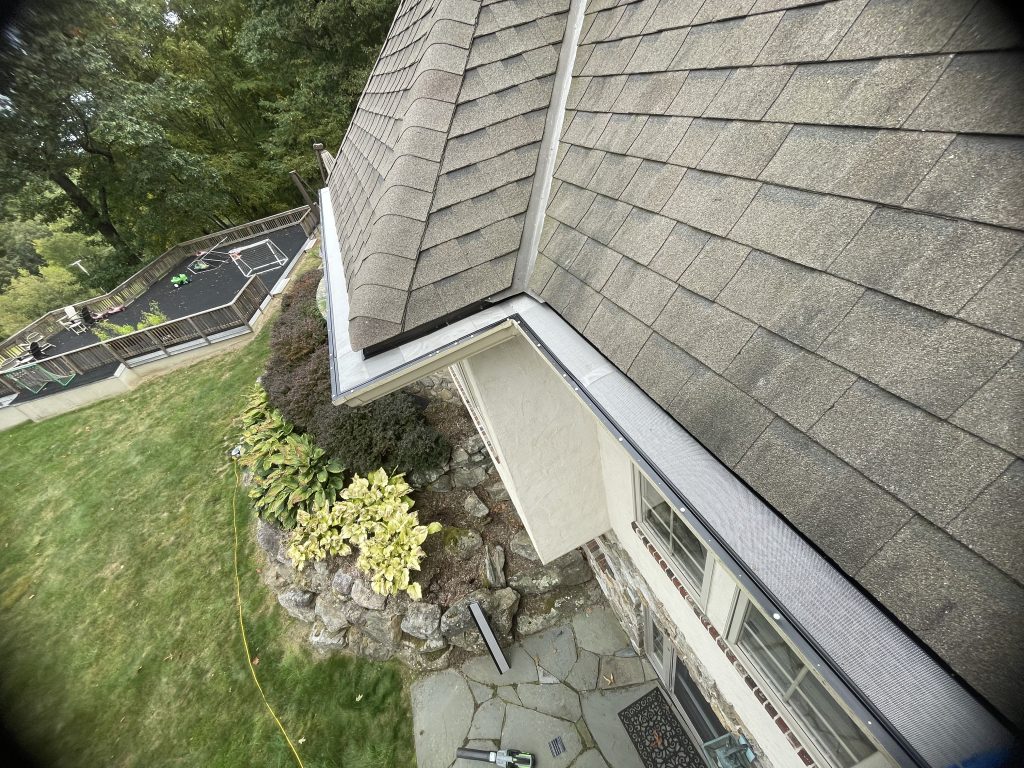
Gutters rarely get much attention until something goes wrong. A roof leak, a stained siding panel, a soggy flower bed, or a patch of ice near the front walk usually gets a homeowner moving faster than a seasonal reminder ever will. In Hackettstown, where spring rains can hit hard, summer storms can drop branches and seed pods, and fall leaves arrive all at once, clogged gutters are not a minor housekeeping issue. They are often the first step in a much more expensive repair.
A healthy gutter system does one job, but it is an important one. It moves water away from the roofline, siding, foundation, and entry points around the house. When that path gets blocked, water starts finding its own route. It may spill over the edge, back up under shingles, soak fascia boards, or pool near the foundation. None of those outcomes improves with time.
Homeowners often ask the same question after a problem appears: how could I have known sooner? Usually, the warning signs were there. They just looked harmless at first. If you know what to watch for, you can catch the issue early and schedule Gutter Cleaning Hackettstown service before overflow turns into rot, mold, or structural damage.
Water spilling over the sides during rain
This is the clearest sign that your gutters need attention right away. During a steady rain, water should move through the troughs, into the downspouts, and away from the home. If you see streams pouring over the outer edge, especially in one or two concentrated areas, the system is likely blocked.
Overflow does not always mean the whole gutter is full of debris. Sometimes a single clogged downspout is enough to back water up across an entire section. In other cases, the trough is packed with wet leaves, shingle grit, maple seeds, or the black sludge that forms when organic material breaks down and compacts over time. That sludge is heavier than many homeowners expect. Once it gets saturated, it can hold water like a sponge and slow drainage even if the gutter does not look completely stuffed from ground level.
A common mistake is assuming overflow during a heavy storm is normal. It is not. Gutters are designed for rain. If they cannot manage ordinary seasonal downpours, something is wrong. In Hackettstown, that problem can escalate quickly because repeated overflow often lands in the same places, saturating mulch beds, splashing dirt onto siding, and carving channels next to the foundation.
Plants growing where water should be flowing
If you can see green growth in your gutters, cleaning has already moved from routine maintenance to overdue. Seeds travel easily. Wind carries them onto the roof and into the gutters, where damp debris becomes a surprisingly good planting bed. Grass, weeds, and even small saplings can start there if enough material has collected.
That growth does more than block water. Roots hold debris together, making it harder for rain to flush anything through. The extra weight can also strain brackets and fasteners. On older homes, I have seen neglected gutters bend outward just from the combined weight of wet debris and rooted growth after a few storm cycles.
In a town like Hackettstown, where mature trees are common on older residential streets, this sign shows up more often than people expect. The gutters may be doing just enough to avoid obvious overflow, but once plant growth appears, drainage is already compromised. Waiting another month or two usually means tougher cleanup and a greater chance that water has started sitting against wood trim.
Sagging, pulling, or visibly uneven gutters
A gutter should look straight and secure along the roofline. If it sags in the middle, leans away from the fascia, or looks uneven from one section to the next, debris weight is often part of the problem. Water is heavy. Packed leaves are heavy. Wet mud mixed with roofing granules is heavier still.
Sometimes homeowners notice a gutter spike or screw on the ground near the foundation and think it just came loose with age. That can happen, but clogged gutters often create the force that pulls hardware free. Once a section starts separating from the house, water no longer enters it cleanly. It can run behind the gutter and into the fascia boards, which is where repair bills tend to climb.
This is one of those issues where timing matters. If you clean and resecure a sagging section early, the fix may be straightforward. If you leave it through another wet season or a freeze thaw cycle, you may be looking at damaged wood, detached sections, or water intrusion behind the exterior trim.
Stains on siding or dark streaks below the gutter line
Exterior walls tell stories https://judahvcet516.stonefielddigest.com/posts/gutter-cleaning-hackettstown-for-better-rainwater-flow if you know how to read them. Dark streaks, dirt trails, peeling paint near the roofline, or greenish staining beneath gutter edges often point to repeated overflow. The water may not be pouring over dramatically enough for anyone to notice during a storm, but small repeated spills leave marks.
This can be easy to dismiss, especially on light colored siding where a little discoloration looks cosmetic. It is not always just cosmetic. Chronic wetting encourages mildew, algae, and gradual breakdown of paint or caulk. On wood trim, it can invite rot. On masonry surfaces, it may leave mineral deposits that are difficult to remove.
A good rule is this: if one side of the house shows more staining than the others, look up. There is usually a drainage issue above it. In neighborhoods with tree cover, the worst sections are often beneath roof valleys, where water flow is naturally heavier and even a partial clog causes problems faster.
Pooled water near the foundation
Many foundation issues begin as drainage issues. If you walk around your home after rain and notice standing water, overly soft soil, or eroded mulch beds directly below the gutters, your system may not be moving water far enough away, or it may be overflowing before it reaches the downspout.
The danger here is gradual. People expect foundation trouble to announce itself with a dramatic crack, but more often it starts with repeated saturation. Soil expands and contracts. Basement walls stay damp. Crawl spaces hold moisture longer than they should. Musty smells appear before anyone connects them to the gutters.
In Hackettstown, homes sit on a range of lot conditions. Some are relatively flat, while others have gentle grading that sends water toward patios, walkways, or lower sections of the property. When gutters clog, those site conditions matter. Two houses on the same block can experience very different consequences from the same storm. On one property, overflow just drenches a flower bed. On another, it runs directly toward the foundation wall.
Basement dampness after rain
Not every basement moisture problem starts at the gutters, but enough of them do that it is worth paying close attention. If your basement smells damp after a storm, if you notice moisture along the walls, or if a previously dry corner starts showing signs of seepage, clogged gutters should be high on the inspection list.
Water discharged too close to the house creates hydrostatic pressure around foundation walls. That pressure can exploit tiny cracks, porous masonry, or weak points around utility penetrations. A homeowner may spend time chasing interior symptoms with dehumidifiers and sealants while the real issue remains outside at the roofline.
One of the more frustrating situations is when the basement only gets damp during certain storms. That inconsistency often leads people to delay action. In practice, it usually means the gutter problem is localized. One clogged corner, one overwhelmed downspout, or one section where the pitch is off may be enough to produce intermittent moisture indoors.
Pests gathering around the roofline
Clogged gutters create a sheltered, damp habitat. That attracts insects, and insects attract other pests. Mosquitoes can breed in standing water. Carpenter ants are drawn to moist wood nearby. Birds may pick through debris for nesting material. Rodents sometimes use overgrown gutter lines as sheltered pathways near the roof.
Homeowners do not always connect pest activity with drainage, especially if the issue seems to be happening higher up than eye level. But if you notice unusual insect traffic near the eaves, or birds repeatedly landing and probing in the same gutter section, it is worth investigating.
This matters beyond nuisance. Pest activity near a clogged gutter can signal moisture in the fascia or soffit, and that moisture is what many insects are really after. Clearing the gutter removes the habitat and often exposes early wood damage before it turns into a larger carpentry repair.
Downspouts that drip weakly or not at all
Sometimes the problem is not visible overhead. It shows up at ground level. During rainfall, downspouts should discharge a clear, steady flow. If one is barely dripping while the gutter above is taking on water, there is likely a blockage somewhere in the run.
That blockage may be at the elbow, near the outlet, or in a compacted section where debris has lodged and narrowed the passage. I have seen downspouts packed so tightly with decomposed leaves that they looked almost solid when disconnected. A homeowner standing twenty feet away would never have guessed the clog was that severe.
Pay attention to imbalance. If one downspout gushes while another stays nearly dry during the same storm, the quiet one deserves a closer look. Left alone, a blocked downspout forces water to back up into the gutter trough, which then spills at the weakest point.
Ice buildup and heavy icicles in winter
Winter gives clogged gutters a second chance to cause trouble. When water cannot drain properly and temperatures drop, it freezes in the gutter or along the roof edge. That can contribute to ice dams, where melted snow refreezes at the eaves and traps water behind it. Once trapped, that water can work under shingles and into the house.
Not every icicle means you have a gutter problem. Snow melt patterns, attic insulation, and roof ventilation all play a role. Still, thick ice concentrated along debris prone sections is a warning sign worth taking seriously. In colder stretches, the added weight of ice on top of clogged material can strain fasteners and distort the gutter line.
Hackettstown winters vary, but freeze thaw cycles are common enough to make this more than a theoretical concern. A gutter that seems merely neglected in November can become a leak source by January.
Roof edge rot and damaged fascia
You may not notice fascia damage until the paint blisters, wood softens, or a contractor points it out. By then, water has likely been sitting where it should never sit. Clogged gutters force moisture against the roof edge and trim, particularly when debris dams water near the back of the trough.
Fascia repairs are usually far more expensive than cleaning gutters. The same goes for soffit work, trim replacement, and any repainting that follows. This is why regular maintenance pays for itself. You are not just removing leaves. You are protecting the parts of the exterior that fail quietly and cost real money to rebuild.
On homes with older wood trim, vigilance matters even more. Newer materials tolerate occasional moisture better, but traditional wood components often show damage sooner, especially on shaded sides that stay damp longer.
What Hackettstown homeowners should check after storms and during leaf season
A little observation goes a long way. You do not need to climb a ladder every month to catch most gutter problems. A slow walk around the property after rain often tells you plenty.
- Look for water pouring over edges or running behind the gutter.
- Check whether downspouts are discharging evenly.
- Notice any new stains on siding, trim, or masonry.
- Watch for pooling water near the foundation or walkway edges.
- Scan for visible debris, plant growth, or sagging sections from the ground.
That short check is especially worthwhile after a windy storm, at peak leaf drop, and before the first hard freeze. Homes near mature oaks, maples, or pines usually need more attention than open lot properties. The roof shape matters too. Valleys, long runs, and sections beneath overhanging branches tend to collect material faster.
The signs are not always dramatic
One reason gutter problems go unchecked is that the warning signs are often subtle at first. The overflow may only happen during heavier rain. The basement may only smell damp after multi day storms. The staining on the siding may build so slowly that nobody notices until one side looks older than the rest of the house.
That slow progression gives homeowners a false sense of safety. If the house is not leaking today, it is easy to postpone service. But gutter issues are classic multiplier problems. A modest clog can trigger moisture exposure in several parts of the house at once. The roof edge, trim, foundation, landscaping, and basement can all be affected by the same neglected section of gutter.
I have also seen the opposite problem, where people overreact to a minor symptom without considering the full context. A single splash mark under one elbow does not always mean the whole system is failing. Sometimes a downspout extension shifted out of place, or a gutter guard created a narrow entry point that needs adjustment. Good judgment matters. The goal is not panic. It is timely inspection and maintenance before avoidable damage spreads.
Why some homes need cleaning more often than others
There is no universal schedule that fits every house. A property surrounded by trees may need attention multiple times a year, while a more open property may go longer between cleanings. Roof pitch, gutter size, nearby tree species, and local storm patterns all affect how quickly debris accumulates.
Hackettstown homes often deal with a mix of leaf litter, small twigs, seed helicopters, and asphalt shingle granules. That combination creates clogs faster than dry leaves alone because the finer material settles into corners and downspout openings. Even a gutter that looks mostly clear from above can have outlets restricted by compacted grit.
This is where local experience matters. A company familiar with Gutter Cleaning Hackettstown conditions is more likely to recognize the patterns common in the area, such as heavy fall buildup after early cold snaps or branch debris following summer thunderstorms. Generic advice tends to miss those local realities.
When waiting becomes expensive
Gutter cleaning is one of those services people compare against the cost of doing nothing. That comparison only works if you ignore what clogged gutters can damage. A cleaning visit is usually minor compared with even one repair to fascia, siding, interior drywall, basement waterproofing, or landscaping restoration.
The most expensive cases are rarely caused by one spectacular storm. More often, the damage comes from repeated neglect. A gutter clogs, overflows for a season, loosens from the fascia, and then starts directing water behind the trim. By the time someone calls, the visible problem is not debris. It is rot, staining, or leakage.
There is also a safety issue. Once gutters are packed and heavy, trying to deal with them in a rush during bad weather or winter conditions becomes riskier. Many homeowners decide to act only when they see active overflow, which means the job is being discovered at the least convenient time.
What to do if you notice these signs
If several of these symptoms are showing up at once, it makes sense to act quickly rather than monitor the issue for another season. The best first step is a proper inspection of the gutter runs, downspouts, fasteners, and discharge points.
- Schedule cleaning promptly if you see overflow, sagging, plant growth, or poor downspout flow.
- Ask whether the service includes flushing downspouts and checking for pitch issues.
- Have damaged brackets, loose sections, or separated joints addressed before the next storm.
- Confirm that water is discharging far enough from the foundation.
- Recheck the problem areas after the next good rainfall.
That last step matters. Cleaning removes the obvious blockage, but the next rain verifies whether drainage is truly restored. Sometimes a gutter was clogged and mispitched, or a buried drain line remained blocked after the upper section was cleared. A simple post service check helps catch those edge cases early.
A clean gutter system protects more than the gutter itself
People often think of gutter maintenance as an exterior chore, but its real value is broader. Clean gutters protect roof edges, painted trim, siding, windows, doors, porches, foundations, and basements. They also help preserve landscaping by keeping heavy runoff from carving out beds and washing mulch into walkways.
That broader perspective changes how you evaluate urgency. If the gutter were an isolated component, postponing service would not matter much. But it is tied into every part of how the house manages water. When it fails, the consequences spread.
For homeowners in Hackettstown, the timing can be especially important between late fall and the start of winter, and again during spring rains. If you are seeing even two or three of the signs above, the house is telling you something. Water is not moving the way it should, and waiting usually gives it more opportunities to reach materials that were never meant to stay wet.
A gutter system in good condition is easy to overlook, which is exactly how it should be. When it starts drawing attention to itself through overflow, stains, dampness, sagging, or plant growth, it has already moved from routine maintenance into immediate need. That is the moment to take it seriously, arrange professional Gutter Cleaning Hackettstown service, and stop a manageable problem from becoming a costly one.
Just Gutters LLC
Address: 262 Main St, Hackettstown, NJ 07840
Phone number: +12013319454
FAQ About Gutter Cleaning Hackettstown
How much should a gutter clean cost?
Professional gutter cleaning typically costs between $163 and $333, with a national average of around $210 to $250 for a standard-sized home.
What months should you clean gutters?
You should clean your gutters twice a year—once in late autumn (November to December) and once in late spring (April to May).
Is it worth paying for gutter cleaning?
Yes, paying for gutter cleaning is worth it because it prevents thousands of dollars in water damage, roof leaks, and structural repairs.